A climate change believer named Sven has been arguing with me in my
former post about L.A. temperatures being the lowest in years. He also disputes the fact that the earth is cooling, as it has been for at least eight years.
However, from
isthereglobalcooling.com, we find these inconvenient facts:
Quick facts about the US and global climate
U.S. and global Temperatures are cooling
*According to the U.S. National Climate Data Center 2008 temperatures in the USA were below the 115 year average for most of the country
link. U.S. 2009 summer temperatures were also very cool, the 34th coolest since 1895.
link*October 2009 U.S. temperatures according to NOAA were the third coldest in 115 years of record keeping, 4 degrees below the average temperature for this month.
link October 2009 also had the most snow in the U.S. than has ever been recorded for that month.
*Germany recorded its lowest October temperature in history
link. New Zealand had record low October temperatures and record late snows
link China had the worst October snowstorms in recorded history, 40 people died and over 9,000 buildings collapsed
linkSiberia may have had its coldest winter in history in 2009-2010
link European and Asian temperatures in the winter 2009-2010 were well below normal
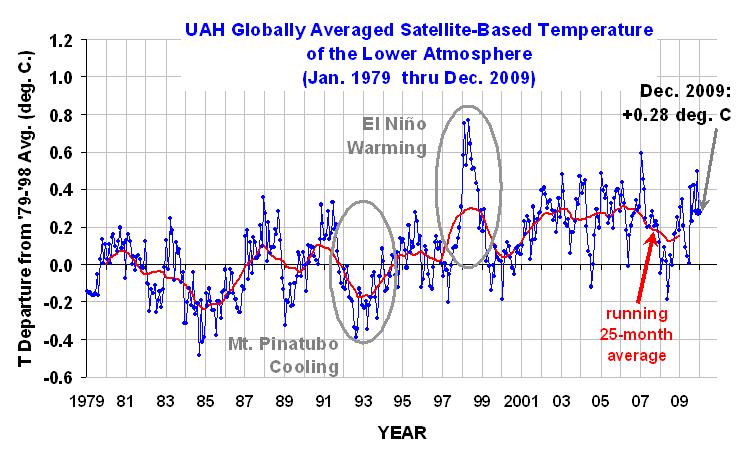
link*According to atmospheric temperature measurement by the UAH global temperatures were only .28 deg. C over the 30 year mean for December 2009
link*November's U.S. temperatures warmed quite a bit
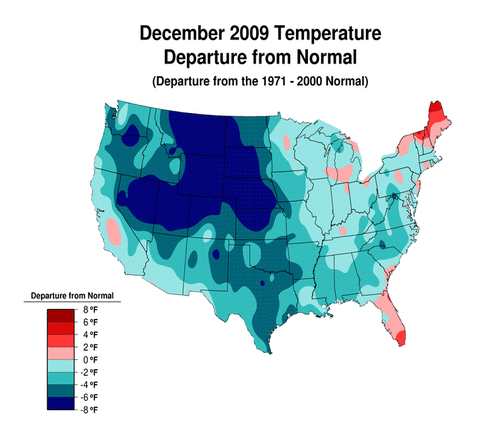
but December's were very cold, -3.2 degrees F below the average, the 14th coldest in 115 years of record keeping
link.
linkDecember had the most snow ever recorded for that month in the U.S. and second most in the northern hemisphere.
link October to January temps are well below normal
linkAccording to the NCDC U.S. temperatures in October 2009 was on average the third coldest in 116 years, November was the 4th coldest, and February 2010 was the 29th coldest. U.S. temperatures December '09 - February '10 were well below normal
link. UK experiences coldest May temps in 15 years
link U.S. temps Nov '09 to May '10 remain mostly below normal
link , October '09 through March '10 was the snowiest on record in the northern hemisphere
link*NASA GISS announced that 2008 global surface temperatures were cooler than 2007, the coolest since 2000 and below the average of the last 30 years.
*temperatures that were once rising are now falling according to the NOA
link, 1998 was a warm year but the eleven years since have each been cooler, global temperatures have dropped an average of .6 degrees C in this period (according to UAH)
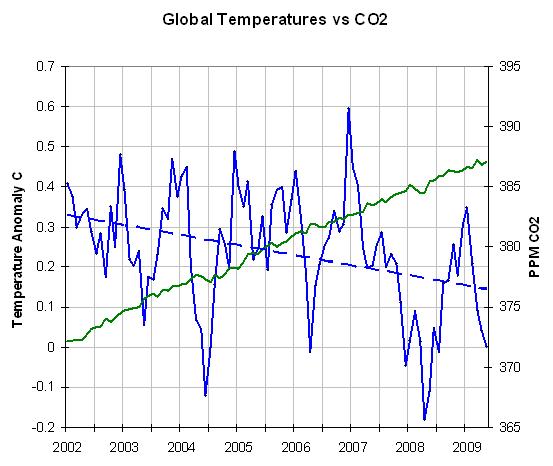
link. Three agencies responsible for tracking global climate show atmospheric temperatures are cooler since 2002
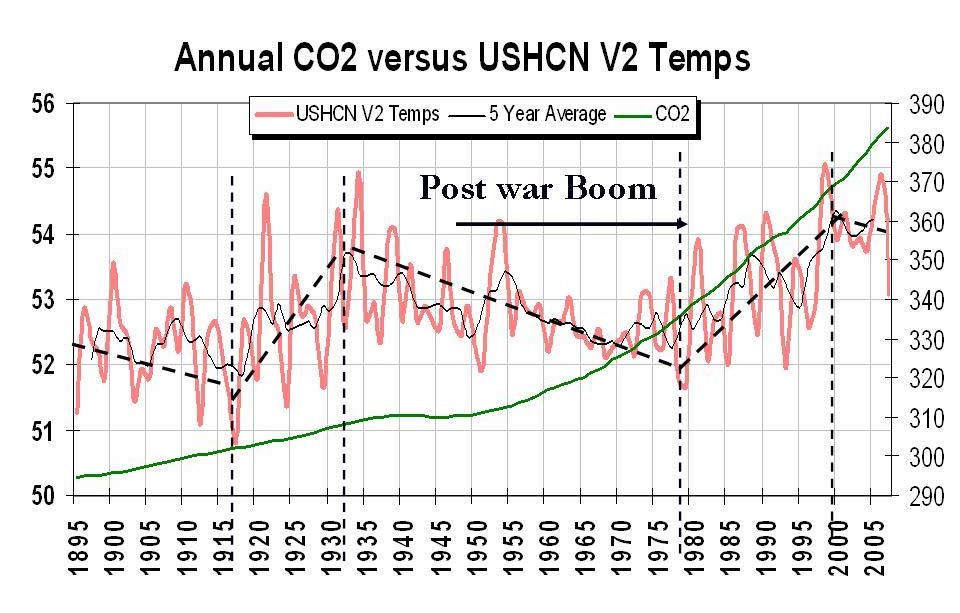
link*In the U.S. temperatures cooled in five of the last seven decades even though CO2 levels increased steadily throughout this period.
link*In February 2010 the Northern Hemisphere had the second largest area of snow coverage ever recorded
link and North America had the most snow cover ever recorded. Snow coverage in the Northern hemisphere has been growing since 1998
link. Snow in areas where it usually does not snow can only be because temperatures are colder, and not from global warming
link The additional snow was not because of higher levels of humidity, according to NCDC February '10 was the 47th driest in 116 years.
July 2010, South America experiences historic cold weather
linkRecord Summer 2010 cold in Australia
linkCold weather kills 600 rare Penguins in South Africa
linkIn spite of all the hot weather of late, according to NOAA 62% of the continental U.S. had below normal temperatures January-July 2010
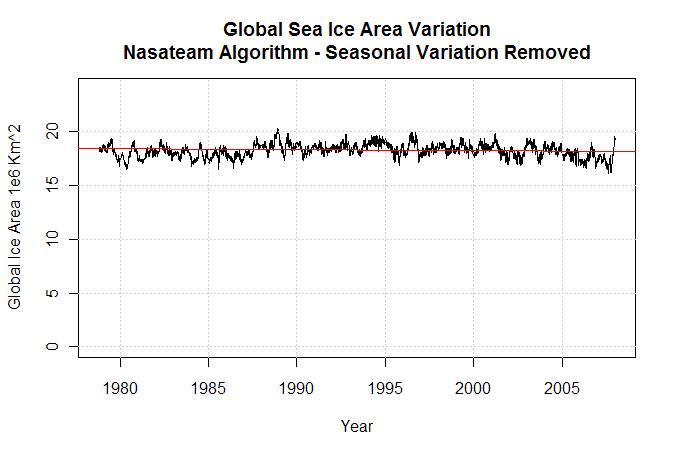
link Total global polar sea ice extent is largely unchanged over the past 30 years
*When adding the sea ice volumes at both poles there is about the same ice as 30 years ago
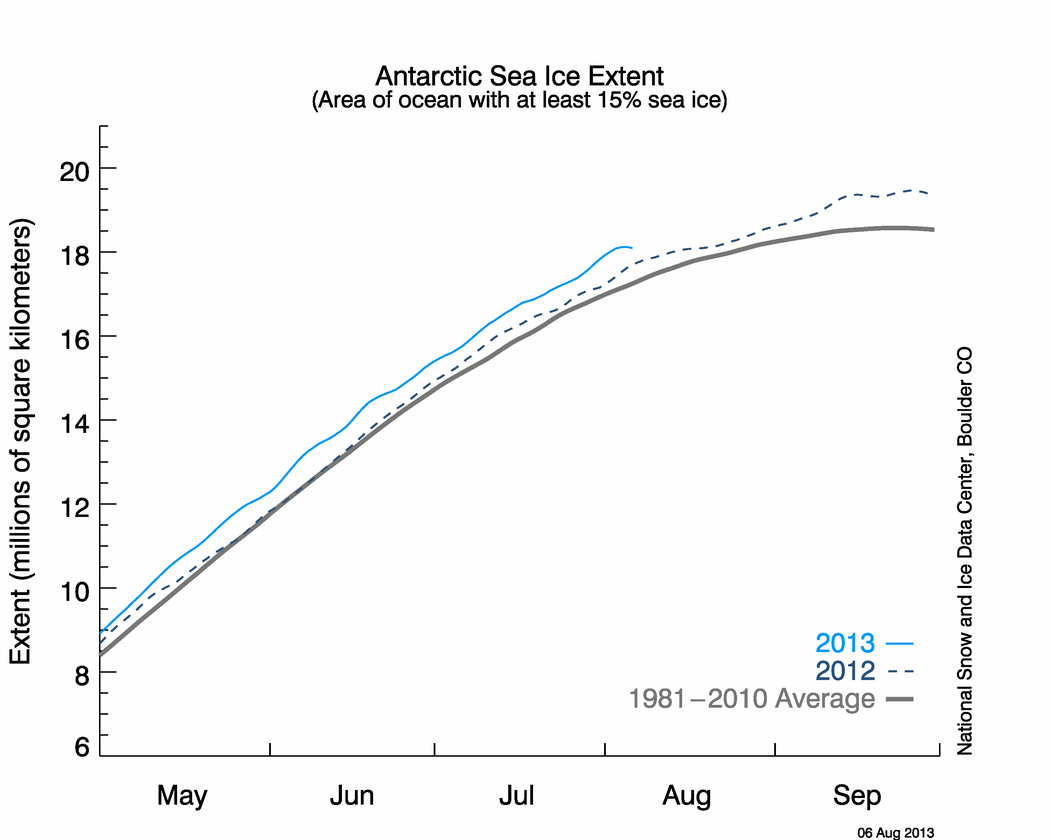
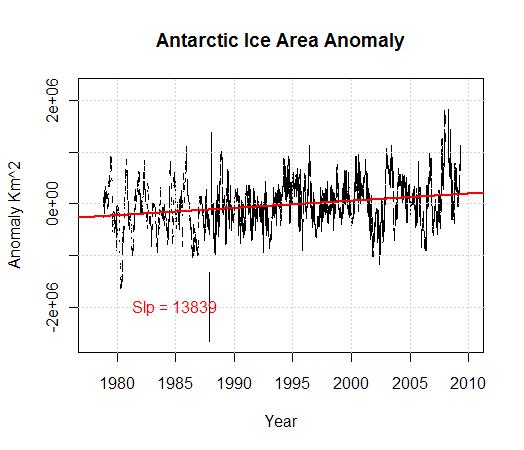
link. Antarctica has 90% of the world's ice and had the most sea ice ever recorded at the end of 2008, over one million square kilometers above the average maximum. The global sea ice extent today (combined sea ice at both Poles) is nearly the same as the average of the last 30 years according to NASA and NSIDC
link link View today's Antarctic sea ice extent compared to the 1979-2007 average (National Snow and Ice Data Center)
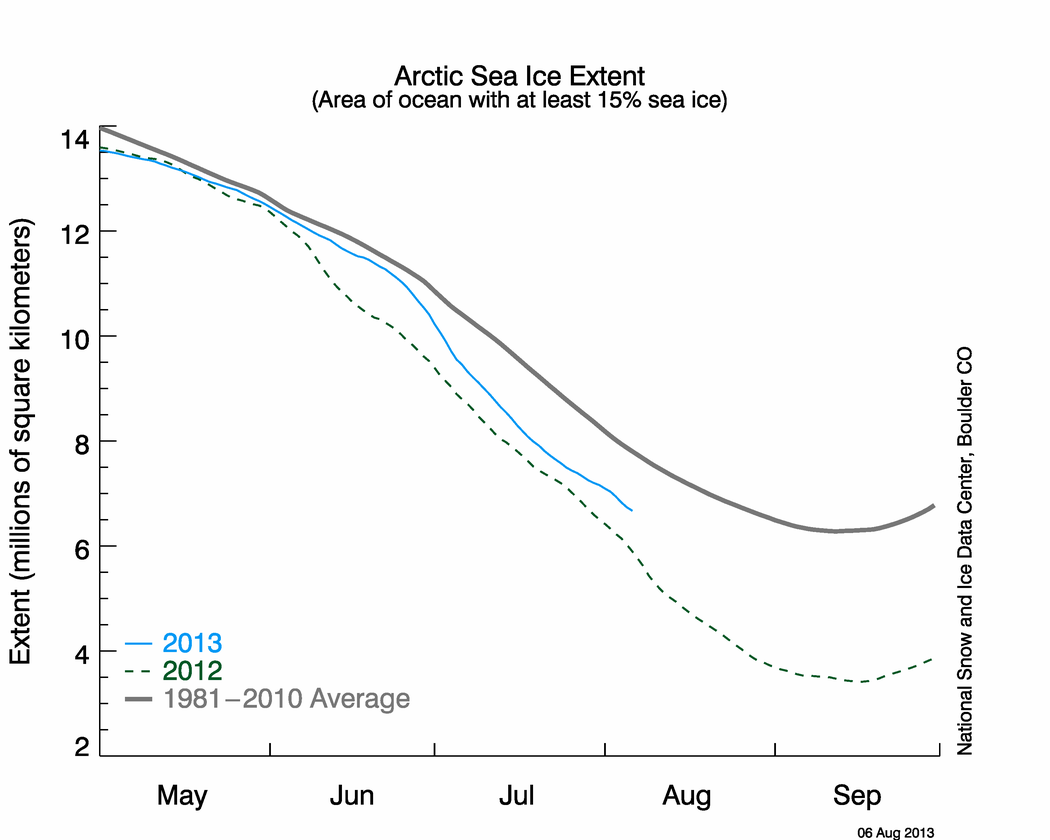
link link While it is true Arctic sea ice volumes have been overall slightly less today than the average of the last 30 years the ice there has been growing the past several years and as of mid September 2009 there was 24% more ice than just two years earlier, which is over 1 million square kilometers of new ice since 2007. There is also substantially more multi year ice in the Arctic in 2009 than just one year earlier
link Antarctic sea ice extent in September 2009 is also growing and is 1 million square kilometers more than the previous year. In 2009 the Antarctic had the most Summer ice ever recorded
link. The 2010 Arctic sea ice melt has started later than at any time ever recorded. Arctic ice volumes in April 2010 are the largest in nine years and are now close to the average of the last 30.
link.View today's Arctic sea ice extent, AMSR-E
link NSIDC
link (Nansen)
link DMI
linkThe Arctic sea ice in early June 2010 is considerably thicker than either of the prior two years, and is further indication that conditions there favor ice formation
linkSee current ice conditions in the Northern Hemisphere
link and the Southern Hemisphere
linkThe Arctic ice concentration (total density) in early July 2010 is the highest in satellite history
link Ocean temperatures are cooling
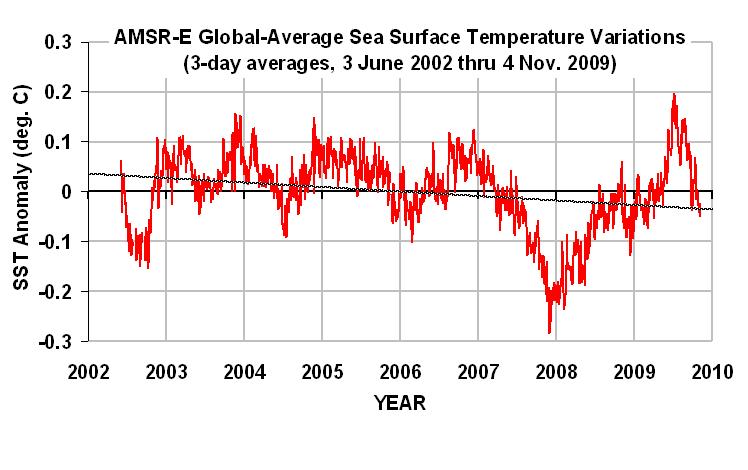
*NSIDC/NASA AMSR-E also shows that the overall trend of ocean temperatures since 2002 is one of cooling in spite of a recent short lived El Nino warming event
linkThe oceans have been cooling which is contrary to climate model predictions
link See how Argo is measuring ocean temperatures throughout the globe
link Argo research (with its 3,300 ocean buoys) has found ocean temperatures are cooler.
link linkThe PDO (Pacific) is moving towards a cool period (La Nina). See current ocean surface temperatures from the NOAA
link There are fewer violent storms. Storm intensity is in decline
*Violent tornadoes are in decline in the US
link. The global death rate from extreme events are in decline
link. US landfall hurricanes are less numerous and powerful than decades ago
link. Global hurricane, typhoon, and cyclone activity are nearing 50 year lows according to Florida State University
link link Polar Bear populations are of record size
Some say Polar Bears are threatened but there are more polar bears today than ever recorded, an increase of 300%+ since the 1950s.
link link The scientific name for Polar bears is Ursus Maritimus, which means sea bear. Polar Bears are excellent swimmers and can swim 200 miles or more
link. Polar bears have survived periods when the Arctic melted completely in the past.
There is lower Solar activity. This has led to cooler temperatures in the past
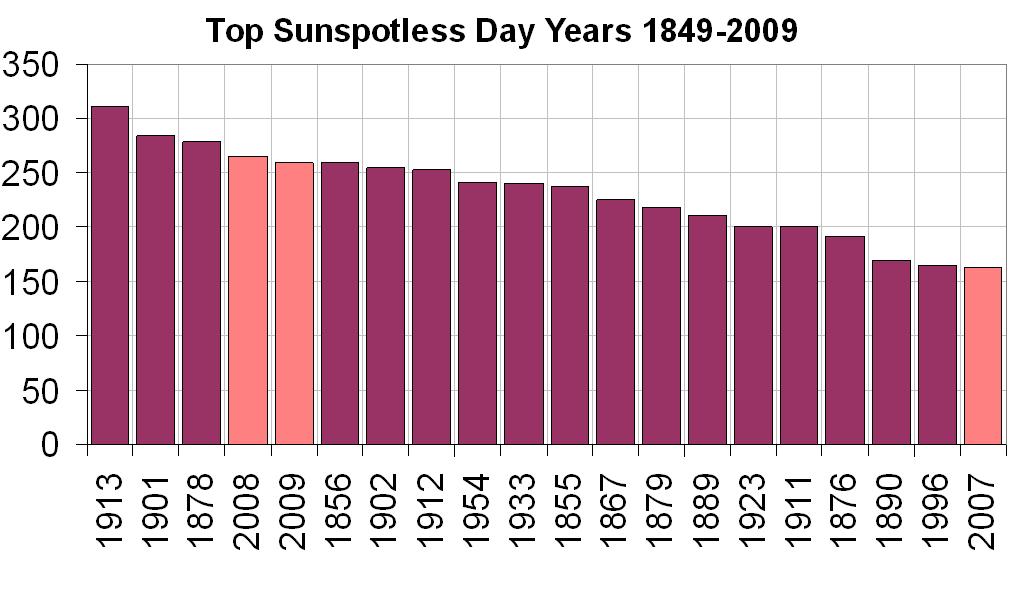
So what has changed? CO2 concentrations continue to increase yet temperatures have been falling since 2002? Polar ice is growing. Storm intensity is in decline. One reason may be that solar activity is at the lowest level in almost a Century.
link link linkSee what the sun looks like with and without sunspots
link View today's photo of the sun and note the continued lack of sunspots
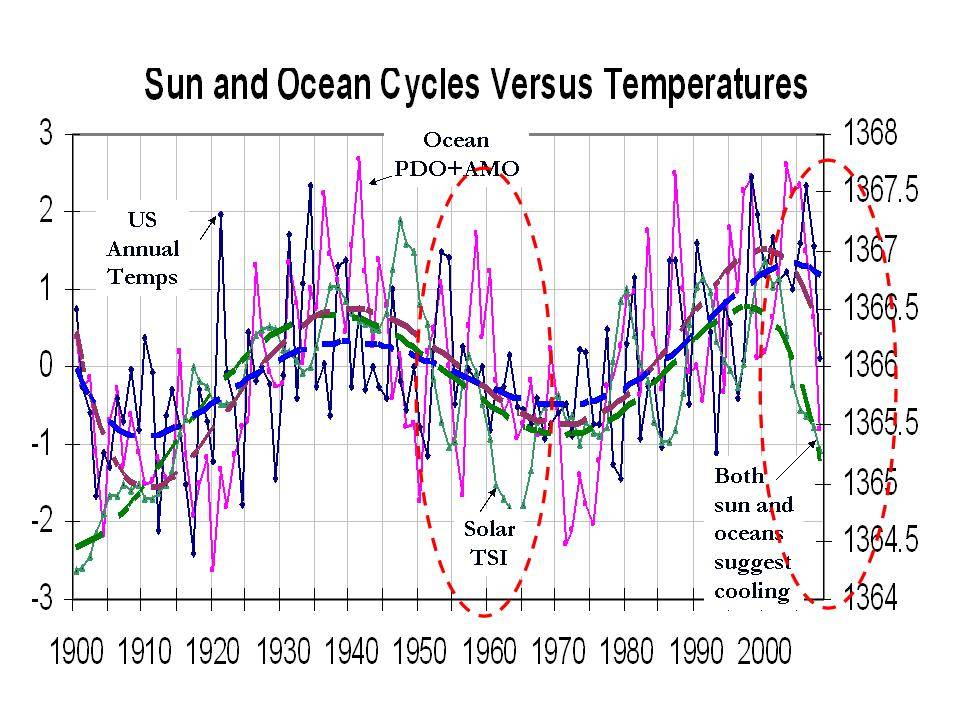
link In the past periods with fewer sunspots and lower solar activity were ones with cooler temperatures. It is believed by some scientists that lower solar activity increases cloud formation and this has a cooling effect. If the past is a predictor of the future, these changes in solar activity will cause a 30 year period of cooling temperatures on earth and in fact it appears that this has already begun. See solar activity charts here
linkSee the combined impact of ocean and solar cycles on global temperatures
linkEurope, North America and many other areas of the Earth have recently experienced a score of unusually low temperatures. So where is the global warming that we are preparing for?
Is a carbon cap and trade system that would raise hundreds of billions of dollars each year for the government necessary if in fact the slightly warmer temperatures of 1978-1998 were caused by natural forces such as the Sun's increased activity in that period, and that many scientists are now becoming skeptical of the theory of man made global warming (AGW)? link It appears to me that this is looking more and more like the Y2K scare of the late 1990s. If you have doubts about the conventional beliefs of global warming and want to learn more please do read on.
*the use of information on this website is unrestricted and can be reproduced without permission.
Geoff Pohanka
7/10